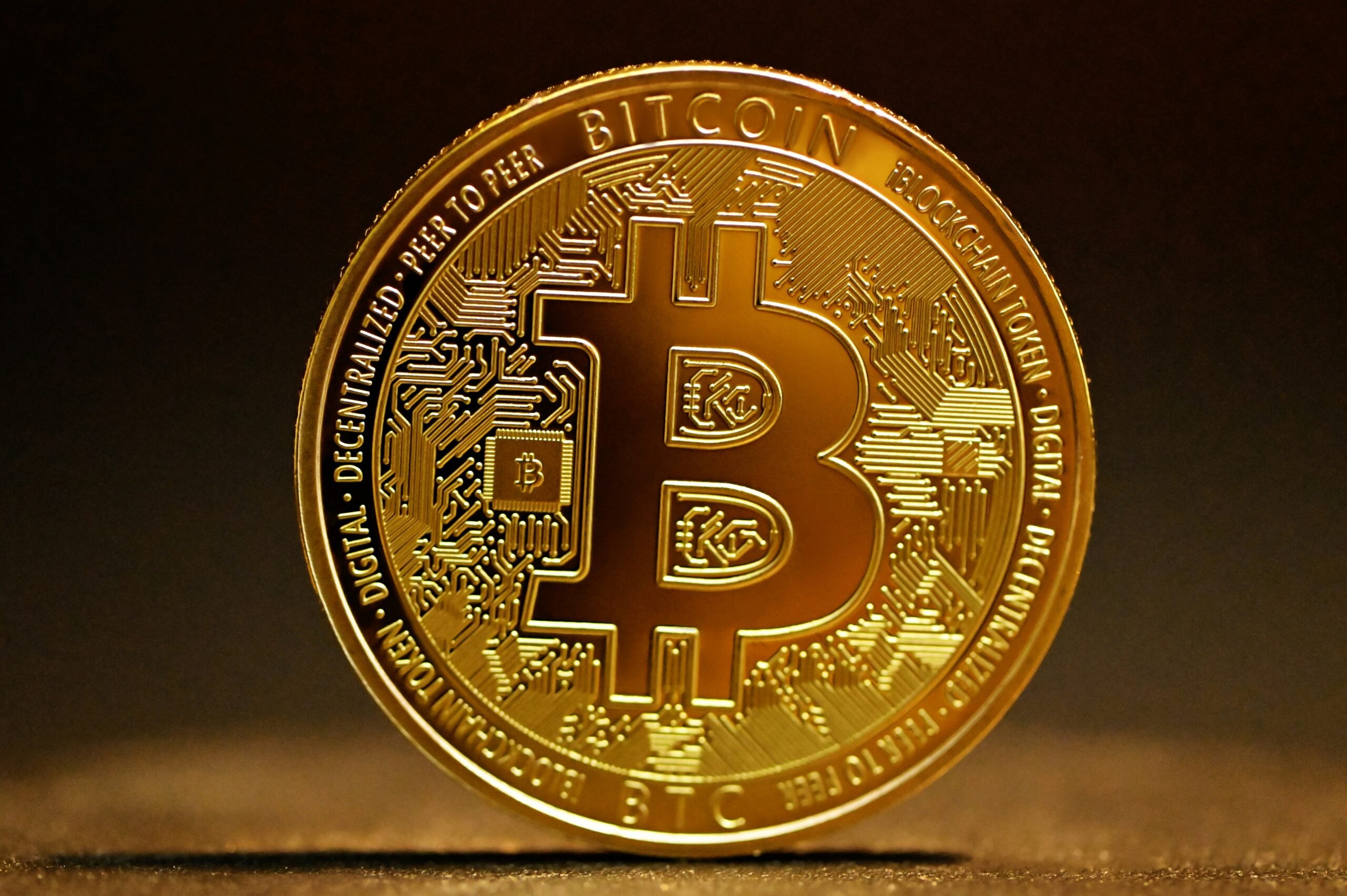
The presidential administration of South Korea is actively encouraging its primary financial regulator to consider the approval of a Bitcoin exchange-traded fund (ETF) on the local market. This interest marks a possible turning point in cryptocurrency regulation in Asia and opens the debate on the future of crypto investments in this region.
The current context and the Bitcoin ETF challenge
The Financial Services Commission of South Korea recently issued warnings to local firms regarding the trading of Bitcoin ETFs listed abroad, highlighting a possible violation of capital market laws. In response, several major local firms have suspended the trading of existing foreign Bitcoin ETFs.
The presidential administration’s intervention
The Office of the President has expressed its desire to explore ways to integrate foreign affairs into local regulations. This position suggests a potential approval of local crypto ETFs. Sung Tae-yoon, the presidential policy chief of staff, emphasized the government’s willingness to re-examine existing regulations and adopt a more inclusive approach toward cryptocurrencies.
The situation in Asia
Other Asian countries like Singapore and Thailand have expressed reluctance to introduce local Bitcoin ETFs, primarily due to regulatory concerns. In contrast, Hong Kong is being considered as a potential next hub for local crypto ETFs, as its financial regulators have already published guidelines for such products.
Market implications
The potential adoption of Bitcoin ETFs in South Korea could have significant consequences for local and international investors. It offers a new avenue for exposure to cryptocurrencies within a regulated framework and could reshape the landscape of crypto investments in the region.
The South Korean initiative to reconsider local Bitcoin ETFs represents a significant step toward integrating cryptocurrencies into the traditional financial system. It raises crucial questions about the balance between innovation and regulation in the field of digital assets.