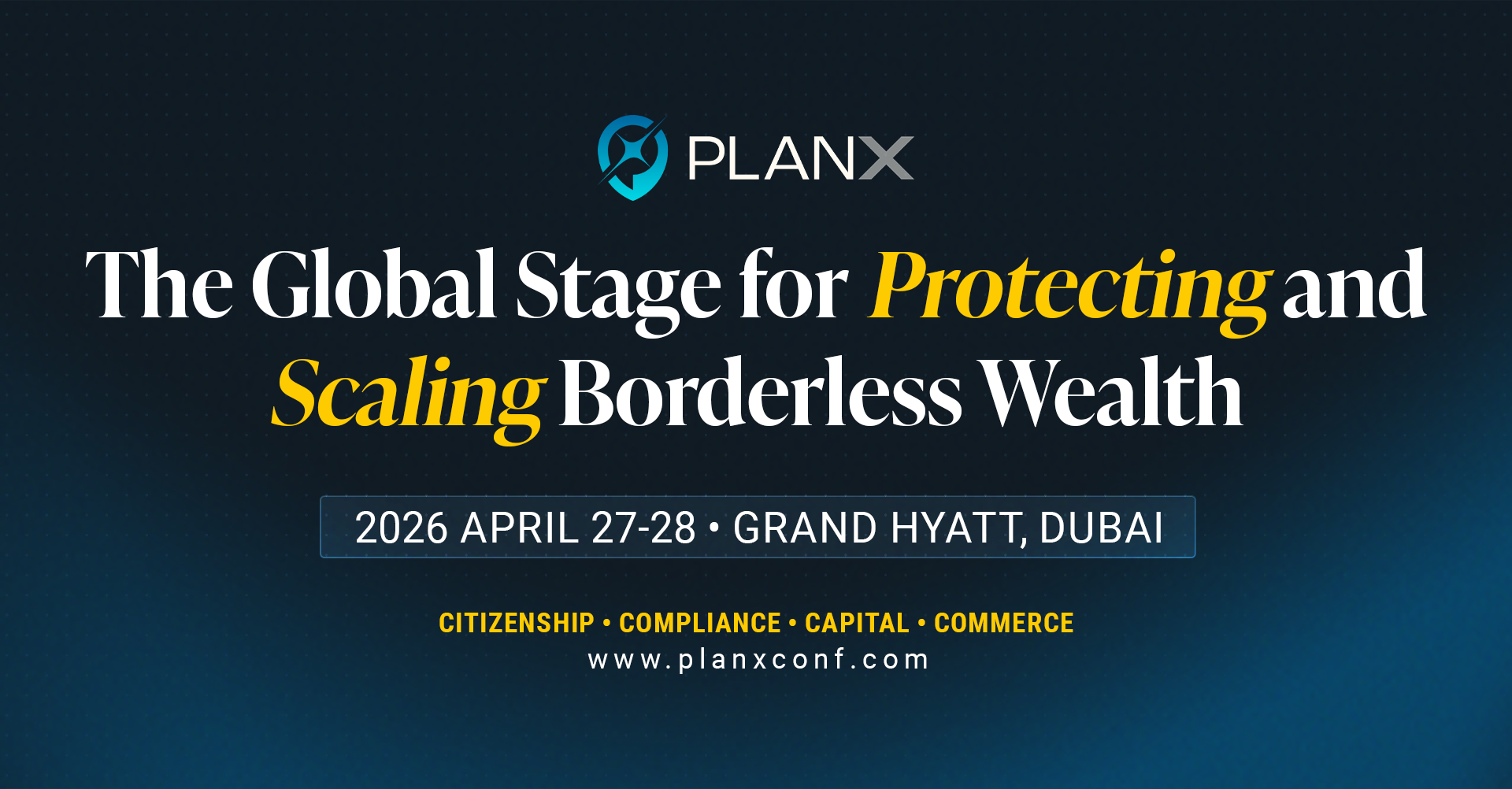
The PlanX 2026 conference is scheduled to take place on April 27–28, 2026, at the Grand Hyatt Dubai Conference & Exhibition Centre. The event is expected to host over 3,000 participants, including founders, investors, and advisors focused on cross-border financial strategies.
Addressing structural fragility
The conference emerges as global financial landscapes become increasingly complex due to rising wealth taxes and geopolitical shifts. For many international operators, relying on a single jurisdiction—one passport, one bank, or one legal entity—is viewed as a structural risk.
Frankie Ngo, Founder of PlanX, notes: “Most founders are not underprepared. They are under-structured. When your whole setup lives in one place, small changes create big consequences. PlanX is where you stop guessing and start aligning.”
Core pillars of the program
The event is organized around four technical pillars, referred to as the “PlanX Playbook”:
- Citizenship: Examining residency options and global mobility solutions.
- Compliance: Exploring compliant tax strategies and asset protection frameworks.
- Capital: Discussions on offshore banking, digital assets, and stablecoins.
- Commerce: Managing cross-border operations and international scaling.
The agenda will feature more than 50 speakers covering topics such as golden visas, fintech, AI, and regulatory compliance.
Dubai’s role as a global hub
Dubai was selected for PlanX 2026 due to its strategic importance in the global financial sector. According to the World’s Wealthiest Cities Report 2025 by Henley & Partners, Dubai is home to over 81,000 millionaires. Its location between major markets in Europe, Asia, and Africa, along with pro-business regulations, provides a relevant setting for discussions on global wealth.
Professional networking and execution
The event will include over 70 exhibitors and dedicated deal rooms designed for high-intent networking. Participants represent a collective enterprise value and capital pool estimated at over $15 billion.
PlanX aims to move beyond the traditional conference format by fostering long-term connections between decision-makers and service providers through ongoing partnerships and professional frameworks.