By 2026, crypto debit cards have become increasingly commonplace, much like traditional bank cards. They can be used in shops, online stores, cafés, and anywhere standard card payments are accepted. When you pay, your cryptocurrencies are automatically converted into local fiat currency in real time.
We have reviewed some of the most popular and practical crypto debit cards available in 2026. Below, we explain what differentiates them, the fees you can expect, and their key advantages, helping you choose the card that best fits your needs.
How Crypto Debit Cards Work
Think of a crypto debit card as a standard payment card linked to your crypto holdings. In most cases, the card is connected directly to an exchange account or custodial wallet. When you make a payment, the selected cryptocurrency is automatically converted into fiat currency and settled in euros, dollars, or another local currency.
From the user’s perspective, the experience is identical to paying with a traditional Visa or Mastercard card. The merchant receives the payment in local currency, while the crypto-to-fiat conversion happens seamlessly behind the scenes.
This system allows you to spend your digital assets on everyday purchases without manually transferring or converting funds beforehand.
Pros and Cons of Crypto Debit Cards
Crypto debit cards offer both advantages and drawbacks. Before choosing one, it is important to consider how you intend to use it on a daily basis. The following overview may help determine whether this payment solution aligns with your financial habits.
Pros:
- You can pay with cryptocurrencies just as easily as with a traditional bank card.
- Conversion to fiat currency occurs automatically at the time of purchase.
- Many cards provide cashback or rewards in cryptocurrency.
- They are particularly convenient for users who hold or receive a significant portion of their funds in crypto.
- Most cards are issued through established payment networks such as Visa or Mastercard.
Cons:
- The effective value of your spending may fluctuate due to crypto market volatility.
- Fees and exchange spreads can be higher than those of traditional bank cards.
- Availability depends on local regulations and jurisdiction.
- Identity verification (KYC) is usually required, and accounts may be restricted under certain conditions.
- Depending on your country, tax reporting obligations may become more complex when spending crypto.
Key Factors to Consider Before Choosing a Crypto Debit Card
Before selecting a crypto debit card, it is essential to review the service’s terms and assess how practical it will be for everyday use. Key factors include:
- Supported cryptocurrencies: Does the card support only major assets like Bitcoin and Ethereum, or also stablecoins and altcoins?
- Fees: Maintenance fees, conversion fees, deposit fees, inactivity charges, and ATM withdrawal costs.
- Exchange rates: Are transactions processed at real market rates, or do hidden spreads apply?
- Payment and withdrawal limits: Daily and monthly caps.
- Regional availability: Country restrictions and international usability.
- Mobile wallet compatibility: Apple Pay and Google Pay integration.
- Security: Two-factor authentication (2FA), regulatory licences, platform reputation, asset storage model, and fraud protection mechanisms.
Best Crypto Debit Cards in 2026
As crypto adoption continues to expand in everyday finance, more users are seeking simple ways to spend their digital assets. Below is a selection of prominent crypto debit cards in 2026 and their main advantages.
Cryptomus Card
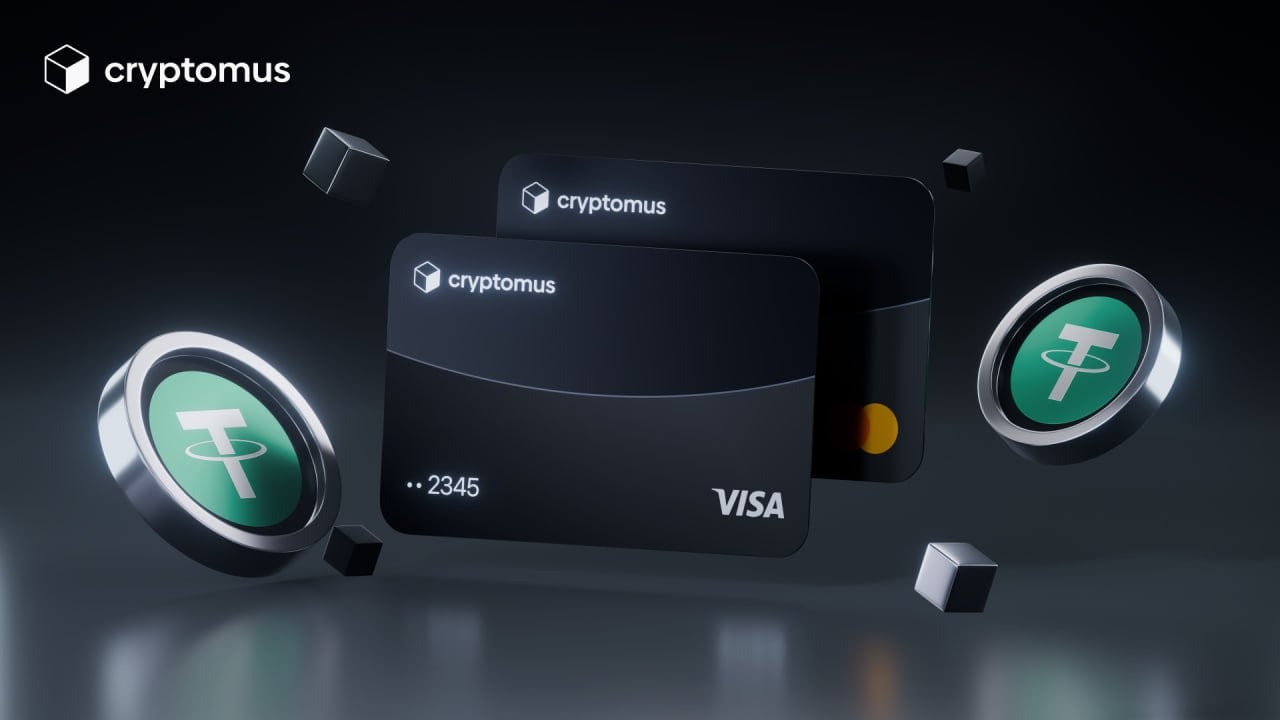
The Cryptomus crypto debit card is designed for users who want a straightforward way to spend digital assets in daily transactions. After completing a one-time KYC verification, users can issue up to ten virtual Visa or Mastercard cards. These can be funded directly from a Cryptomus wallet using USDT or USDC and added to Apple Pay or Google Pay.
Fees are transparent and depend on the selected Bank Identification Number (BIN). Security features include two-factor authentication (2FA), 3D Secure (3DS), and the option to freeze the card at any time. The card currently operates in EUR and USD.
Crypto.com Card
The Crypto.com Visa card remains one of the most widely recognised crypto debit cards. It features a tiered rewards system offering cashback and additional benefits based on the amount of CRO tokens staked. Users can spend crypto wherever Visa is accepted, manage funds through the app, and access various discounts and perks. However, rewards depend significantly on staking levels and geographic location.
Coinbase Card
The Coinbase Card allows users to spend crypto balances directly from their Coinbase accounts. At the point of payment, assets are converted instantly into fiat currency. Eligible transactions may earn cashback in selected cryptocurrencies. Fully integrated with the Coinbase app, the card is valued for its ease of use and strong brand reputation. Fees vary by region and transaction type.
Binance Card
The Binance Card enables users to spend cryptocurrencies held in their Binance wallet while earning cashback on eligible purchases. It supports multiple digital assets and converts them into fiat currency in real time during transactions. Additional features include ATM access, mobile wallet integration, and real-time transaction tracking. Availability and rewards programmes depend heavily on local regulations and user status.
Wirex Card
Wirex distinguishes itself by allowing users to hold both cryptocurrencies and traditional currencies within the same account. The card supports instant currency conversion, multi-currency balances, cashback rewards, and mobile wallet compatibility. Through the Wirex app, users can exchange currencies at competitive rates and withdraw cash from ATMs. Although fees and limits vary by subscription plan, Wirex is often viewed as a practical bridge between digital assets and everyday spending.
Conclusion
From 2026 onwards, digital currency debit cards will make it very easy to spend digital assets. Each card has its own advantages, rewards and benefits, ranging from flexibility to simplicity. The card you choose will depend on your needs and the country you live in. By considering factors such as fees, security, supported assets and ease of use, you can select a card that seamlessly integrates into your spending habits while providing you with full control over your cryptocurrencies.